Highlights From the 54th Annual Conference on South Asia
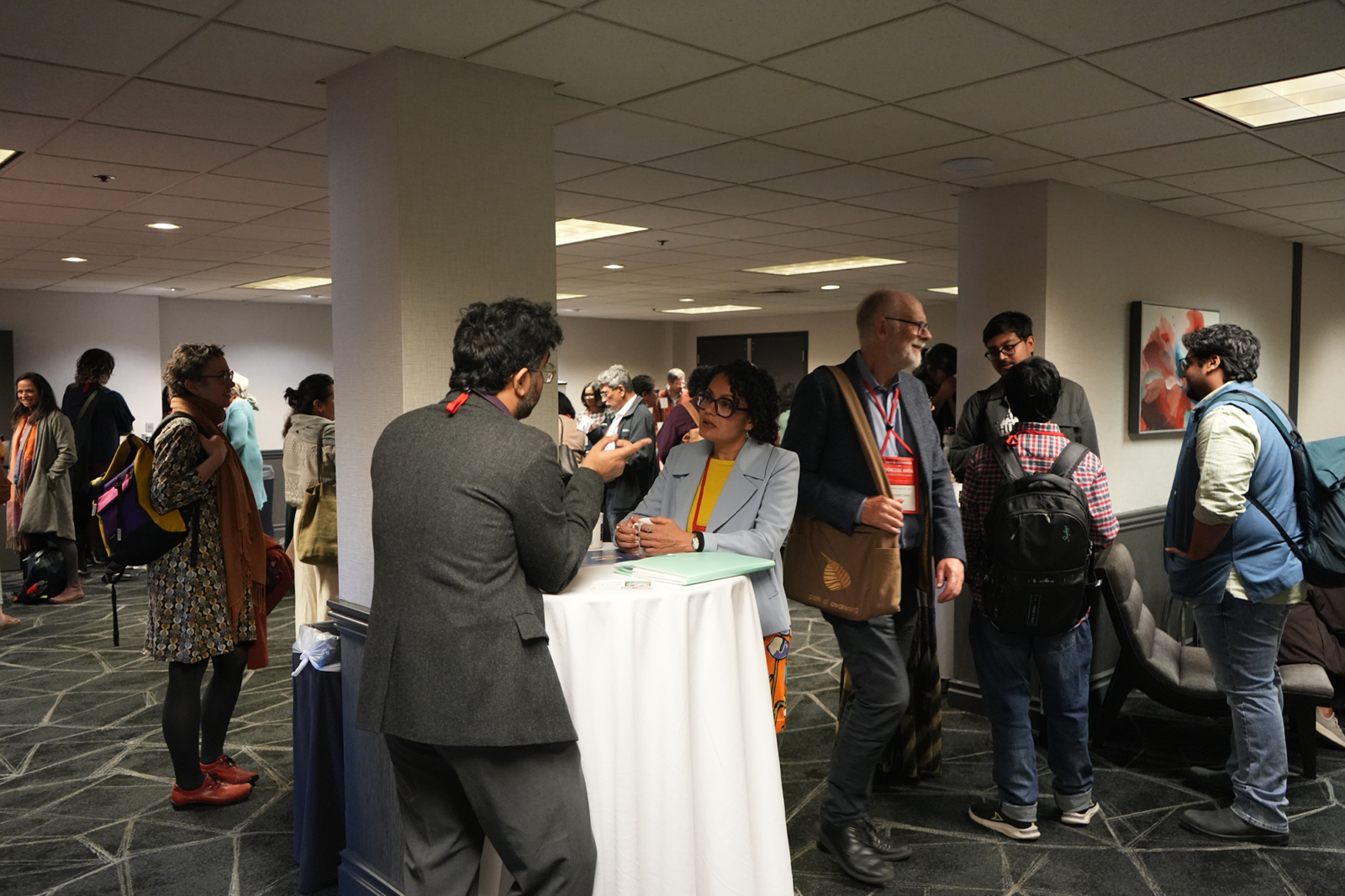
Hosted annually by the Institute for Regional and International Studies Center for South Asia, the 54th Annual Conference on South Asia brought a community of researchers, students, and practitioners from around the globe to downtown Madison. Built around the theme “Transcending Borders and Nationalism: South Asia As Cultures, Histories, and Topography,” the four-day conference offered a full schedule of symposia, panel talks, and musical performances.
Frances Vavrus, vice provost and dean of the International Division, kicked off the Joseph W. Elder keynote address by welcoming global guests to campus and highlighting the importance of international research and collaboration.
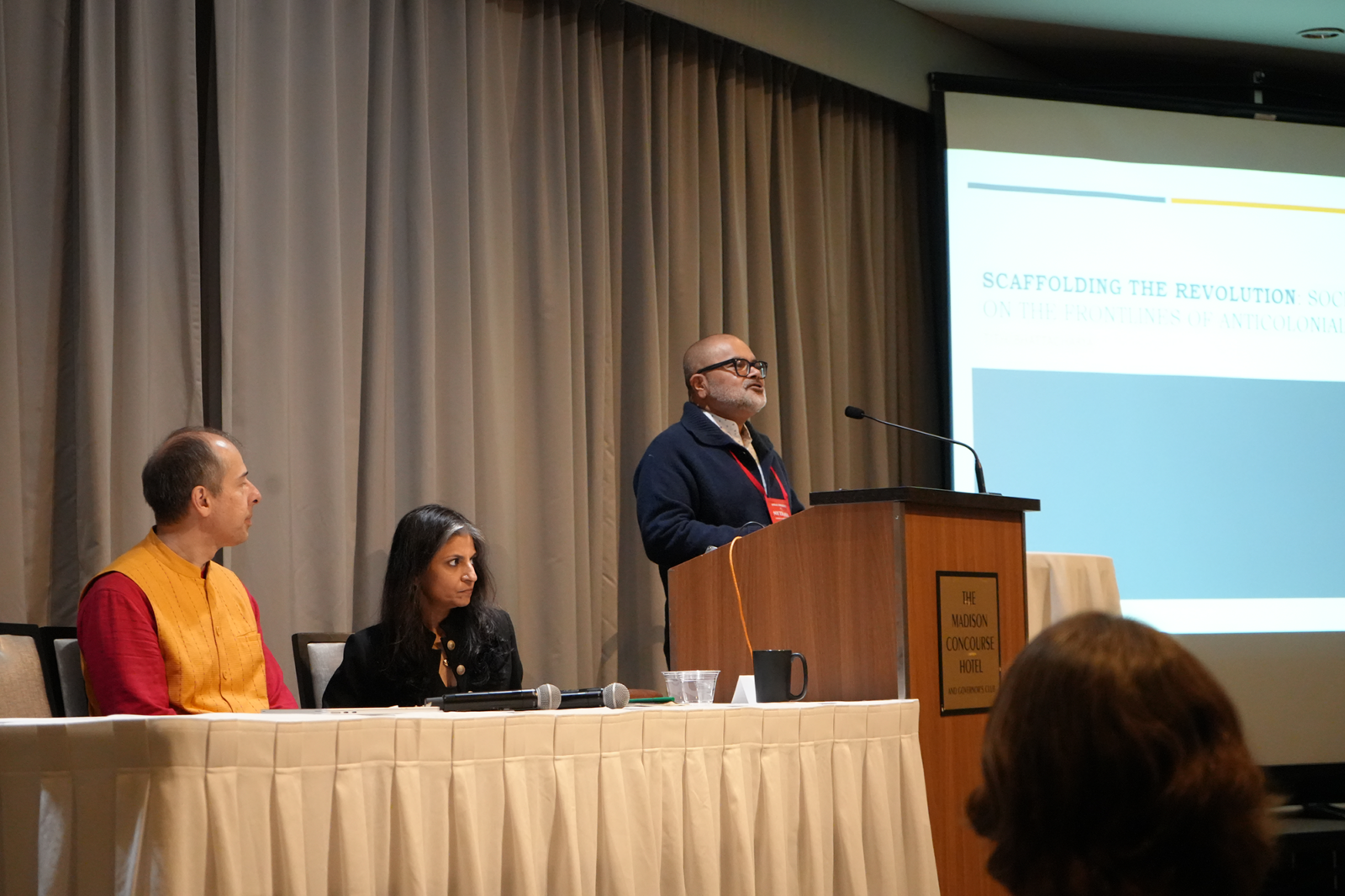
Following the opening remarks, Tithi Bhattacharya of Purdue University delivered the keynote address. Her talk, “Scaffolding the Revolution: Social Reproduction on the Frontlines of Anticolonialism,” looked at historical resistance movements through the everyday work of social reproduction, setting a thoughtful tone for the panels that followed.
The Friday plenary session featured Madhumita Lahiri of the University of Michigan, who explored how modern fiction reflects political ideas and national borders. Her talk encouraged attendees to look closely at contemporary stories and see how literature shapes the way people understand regional boundaries today.

Outside the formal sessions, the hallways filled with laughter and fellowship as colleagues reconnected and participated in scholarly discussions between panels.
“What makes this conference special is that area studies is what brings us all together. We’re all working in completely different disciplines, which inverts the typical large conference experience,” said one conference participant. “And it’s still the biggest conference on South Asia, even after all these years, so there’s really nothing like it.”
The schedule incorporated several formats alongside the popular academic panels. Attendees could choose from a lineup of four film screenings, attend author talks on recent publications, and browse publisher displays in the exhibit hall.
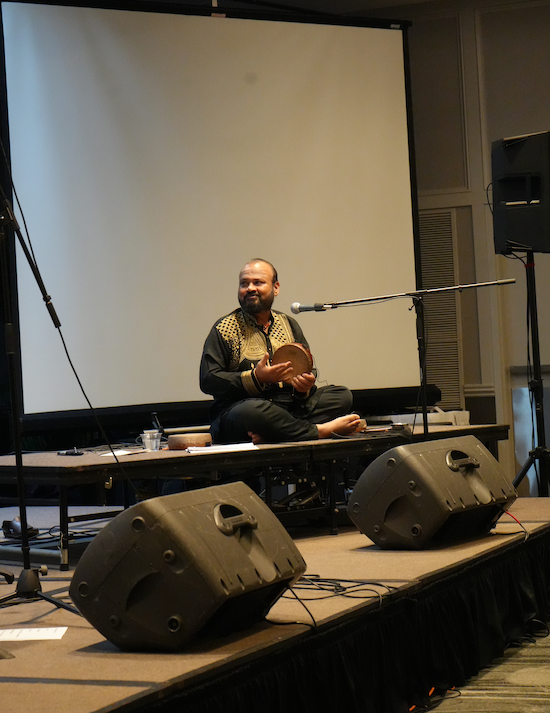
A special evening performance by Arun Luthra’s Konnakol Jazz Project, featuring special guest and Grammy Award-winning kanjira virtuoso Selvaganesh Vinayakram, energized the audience in the Madison Ballroom. Luthra, a premier New York saxophonist and composer renowned for his mastery of konnakol (the vocal rhythm language of South Indian classical music), paired modern jazz harmonies with intricate Carnatic rhythmic structures. Supported by the Center for South Asia in partnership with the Division of the Arts and the International Division, the concert brought together two distinct musical traditions, with Luthra calling the evening a “celebration of South Asian rhythmic traditions, which I fell in love with as a child.”
As the exhibits are packed away and scholars return to institutions across the globe, the ideas discussed in Madison throughout the conference will continue to shape the trajectory of South Asian studies. For more information about future conferences, visit the Annual Conference on South Asia website.
Story by Kayla Daum